Identity Design
How Civic Identity Unifies Large Park Networks
This case study is about civic identity design for a public park network. We created Hadayeq Dubai as a bilingual destination identity and wayfinding system that gave Dubai Public Parks a shared public meaning beyond municipal ownership and separate park names, while keeping every individual park easy to find.

Client Background
This case study is about civic identity design for a public park network. We created Hadayeq Dubai as a bilingual destination identity and wayfinding system that gave Dubai Public Parks a shared public meaning beyond municipal ownership and separate park names, while keeping every individual park easy to find.
Before the work, each location appeared through Dubai Municipality and its own name. The network had no destination identity of its own. The agency and municipality needed a structure that could welcome residents, families, visitors, and active communities while preserving the institutional relationship that public facilities require.
Tango Media Innovation commissioned Saad as strategist and Design Director. He created the branded house architecture, visual language, wayfinding principles, sign design, and complete style guide. Other suppliers produced entrance gates, signs, and installations from that guide.
A city park becomes a destination when its identity gives people a reason to see it as part of community life, not only as a municipal facility.

The Challenge for Public Park Branding
A government mark can establish ownership, but ownership alone does not help someone understand the relationship between a park network and the particular location they intend to visit. A new destination identity could have created the opposite problem if it displaced the individual park name that makes a place locatable.
The challenge was therefore to make two levels of information legible at once. Hadayeq Dubai had to communicate the shared civic destination. Individual park names had to remain useful descriptors at the point where a visitor needed orientation.
The Solution Through Civic Identity and Bilingual Wayfinding
Hadayeq, Arabic for parks, became the umbrella branded house. The bilingual mark paired Hadayeq Dubai with Dubai Public Parks, while individual park names sat beneath that shared structure as descriptors. This gave the full estate a public-facing identity without treating every location as a separate brand.
The visual system used a modular, dynamic language designed for park life, activity, and different visitor groups. Its wayfinding principles carried the same hierarchy into entrance gates, orientation signs, and environmental applications. Archive evidence shows bilingual entry structures and Dubai Public Parks with Dubai Municipality branding at park entrances.
Questions public realm teams should ask
Can a visitor identify both the network and the individual destination in one glance? A city-wide identity and a park-level descriptor should have different jobs and a clear hierarchy.
Does the bilingual structure preserve the same relationship? Translation is not sufficient if the relative importance of destination, institution, and location changes between languages.
Does wayfinding begin with the identity? The naming and hierarchy must be resolved before signs are designed, because the sign is where the public meets the system under real movement and time pressure.
Can external suppliers apply the system without redrawing it? A complete style guide should give production partners the rules they need for gates, signs, and installations while preserving the original design logic.

The Results
The work produced Hadayeq Dubai’s branded house identity, bilingual visual language, wayfinding principles, sign design, and a complete brand style guide. Physical entry and signage applications were produced by specialist suppliers from the documented system, and the CEO confirms that the identity remains visible in use.
The result was a civic identity capable of giving a shared public meaning to a park estate while keeping individual locations legible. It makes a practical distinction for any city or public realm organisation. A destination system is not a new logo placed above existing places. It is the information structure that allows the public to understand the network and the place at the same time.
The Dubai Public Parks selected work case brings the identity, bilingual hierarchy and wayfinding applications together in a compact project view.
For a broader explanation of how visible presentation can fall behind actual value, read Why Strong Businesses Still Look Weak Online.
Brand consistency and premium positioning considers how a standard survives different teams and touchpoints. The SEE Holding architecture offers a related example of shared identity with controlled distinction.
Planning a Civic Identity or Wayfinding Programme?
Municipal teams and agency partners can commission us to define the brand architecture, destination identity, bilingual wayfinding logic, and visual standards for complex public networks. We establish the system before suppliers take it into signs, environments, and other public applications. Get in touch to discuss the network, hierarchy and production conditions the programme needs to hold.
Author
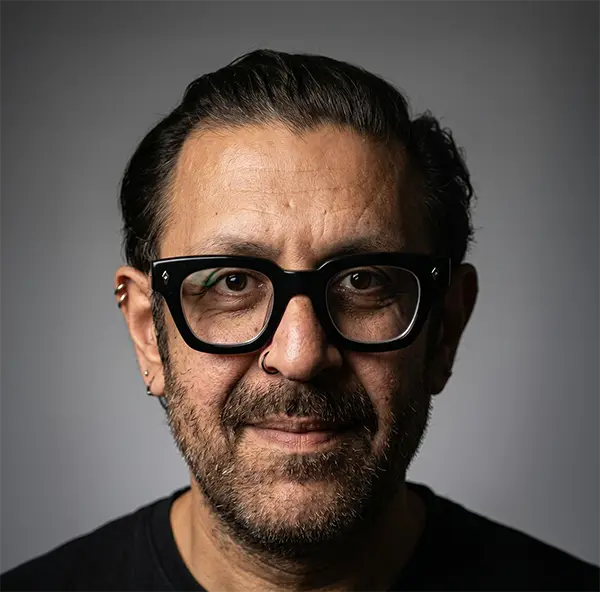
Saad Minhas
Principal, Design and Strategy
Date Published
Read Time
3 min read
Related Essays